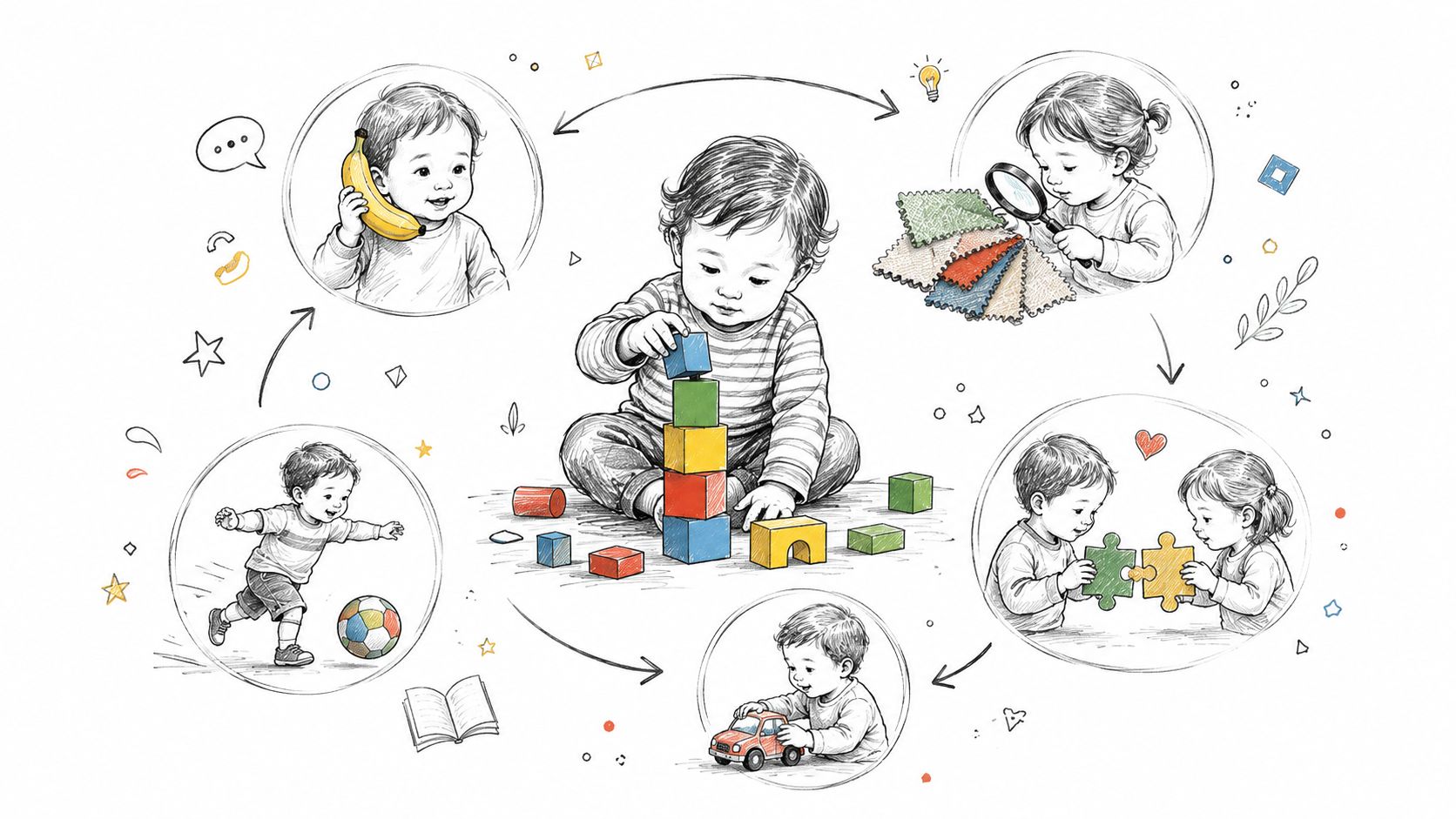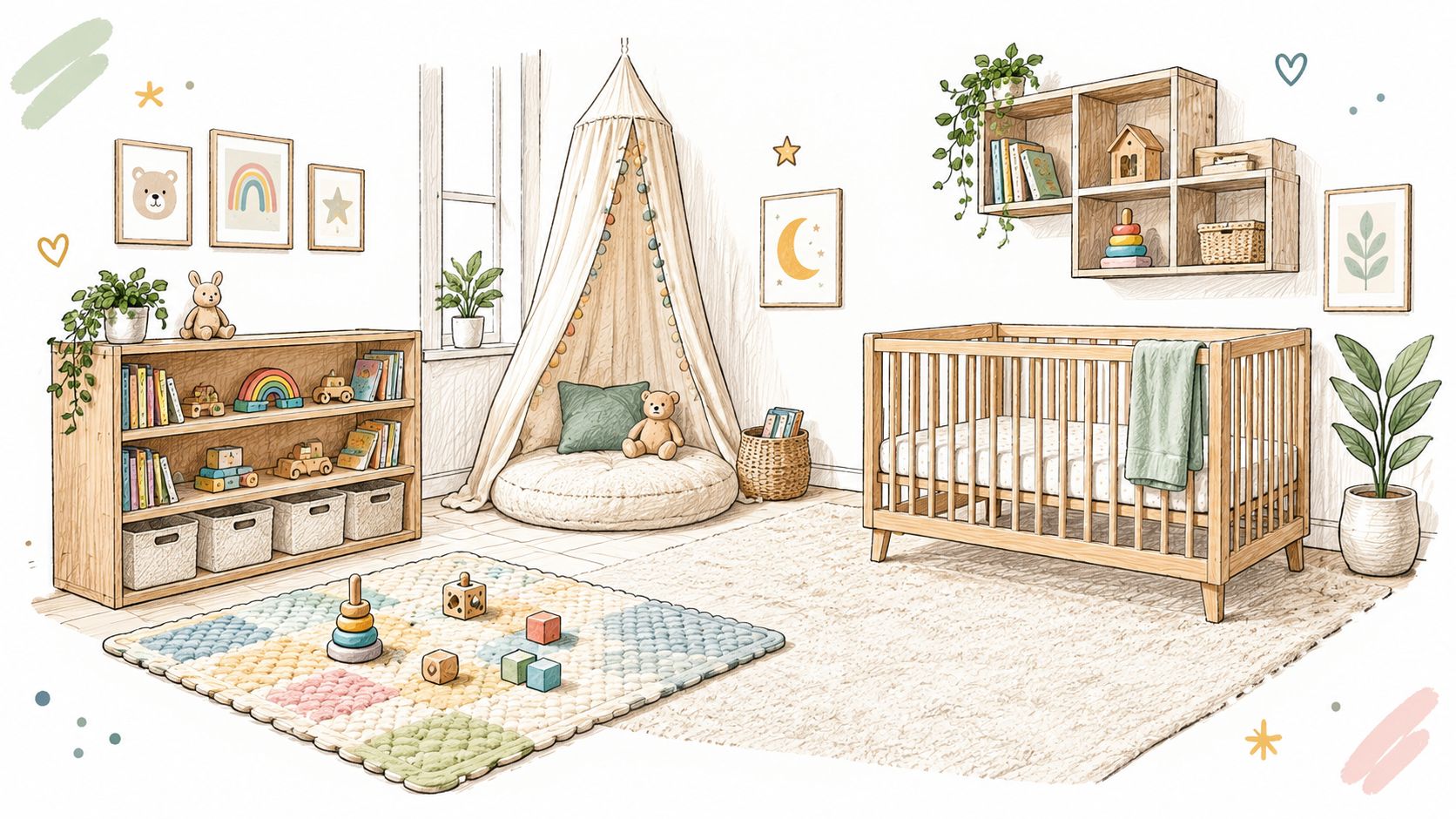

Welcome to our guide on nursery activity ideas, designed to inspire parents and support children's development through the power of play. In the early years, every moment is an opportunity for learning, from splashing in a puddle to stacking blocks. This is why activities in a quality nursery setting are carefully planned not just to entertain, but to build crucial skills in communication, problem-solving, physical coordination, and emotional resilience.
This article explores a wide range of activities that many early years settings use to create a rich, stimulating environment where children can thrive. We will break down different types of play, explain the developmental benefits behind them, and offer practical insights that you can even adapt for use at home. Understanding the 'why' behind these activities can empower you to appreciate the incredible learning journey your child is on.
Inside, you will find a curated collection of nursery activity ideas organised to give you a clear view of what purposeful play looks like. We cover everything from sensory exploration and creative expression to outdoor learning and language development.
This guide is designed to provide:
-
Actionable insights into different types of play.
-
The developmental benefits linked to each activity.
-
Practical examples of how these ideas are brought to life.
Whether your child is just starting their nursery adventure or you are simply looking for fresh inspiration, this guide offers a window into the vibrant world of early childhood education. For parents in Northwood, seeing these principles in action at a local nursery can be a great way to understand how play shapes a child's future.
1. Outdoor Exploration and Nature-Based Learning
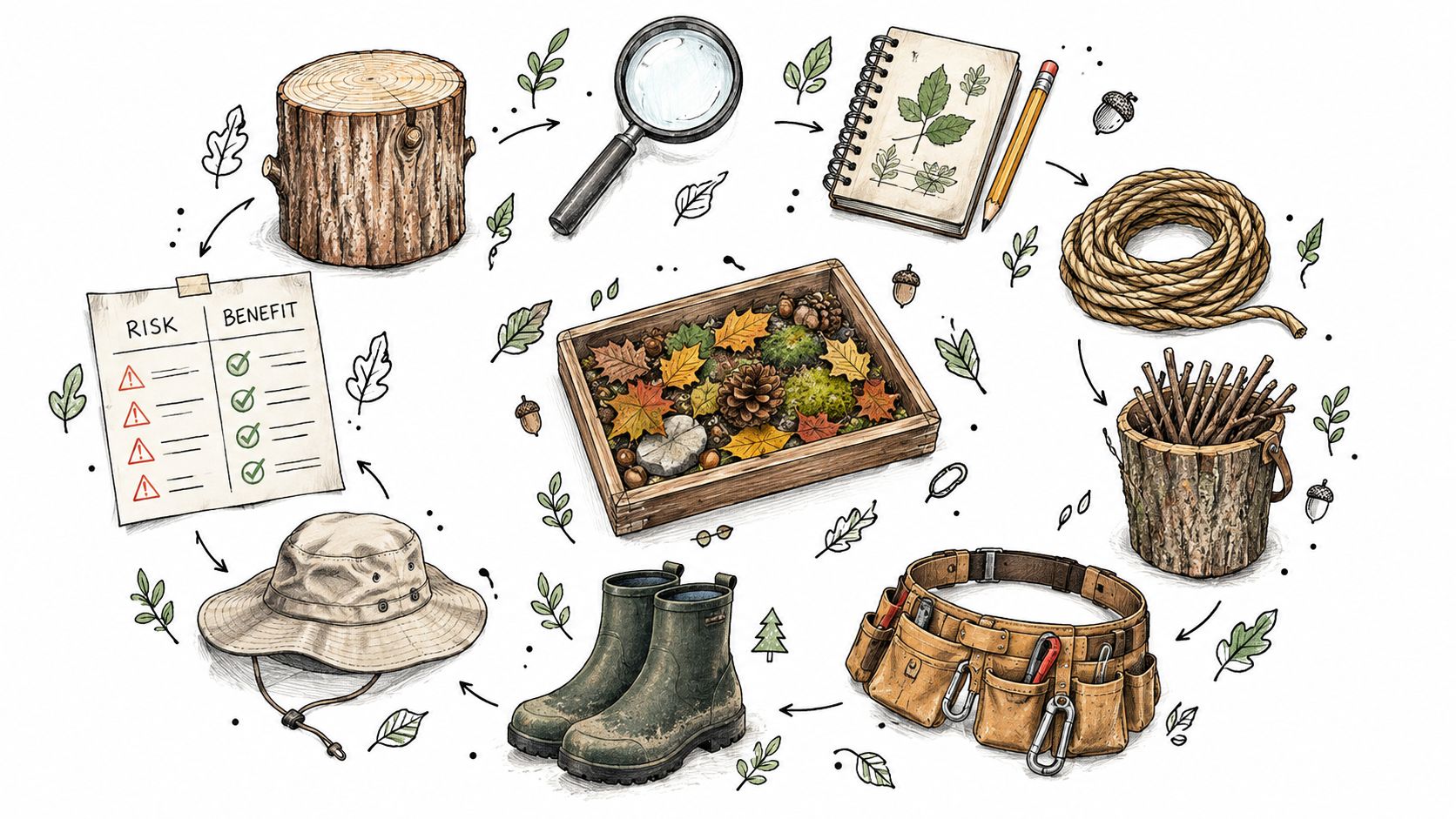
Originating from Scandinavian early education principles, nature-based learning is an approach centred on child-led exploration and play in an outdoor environment. Rather than a structured classroom, the natural world becomes the teacher, offering rich, multi-sensory experiences that support holistic development. This is one of the most impactful nursery activity ideas for building resilience, curiosity, and physical confidence.

Many nurseries are now incorporating elements of this philosophy by providing regular access to natural spaces. These experiences are not just about unstructured playtime; they are carefully facilitated to help children learn to assess risks, collaborate on tasks like den building, and develop a genuine appreciation for their environment. The focus is on process over product, allowing children to follow their own interests, whether that means examining insects, collecting different shaped leaves, or simply feeling the texture of mud.
Why It's a Top Nursery Activity Idea
This approach is powerful because it connects children with the world around them in a direct, hands-on way. It moves learning beyond the four walls of a room and encourages physical and emotional growth through real-world challenges.
-
Develops Resilience: Children learn to adapt to changing weather and overcome small physical obstacles.
-
Encourages Risk Assessment: With guidance, children learn to identify and manage potential risks, building confidence and self-awareness.
-
Builds Physical Skills: Activities like balancing on logs, navigating uneven ground, and carrying natural materials improve gross motor skills and coordination.
-
Supports Well-being: Time spent in nature has been shown to reduce stress and improve focus in young children.
When considering a nursery, it’s worth asking how they facilitate outdoor learning experiences and what training their staff have in nature-based educational principles. For families interested in this approach, understanding how a nursery integrates outdoor exploration into their curriculum is key. Find out more about the importance of outdoor learning by exploring the power of play in nurturing young minds.
2. Sensory Play and Exploration Activities
Grounded in the early years principle that children learn best through doing, sensory play involves hands-on activities designed to engage the five senses: touch, sight, sound, smell, and even taste. It is particularly valuable for babies and toddlers, as it helps them process information and make sense of the world around them. These experiences build crucial nerve connections in the brain’s pathways, supporting cognitive growth, language development, and motor skills.

Many nurseries create dedicated sensory zones where children can safely explore different materials. This can range from simple water play with cups and funnels to "treasure baskets" filled with safe, everyday objects like wooden spoons and different textured fabrics. For older toddlers, activities like playing with "oobleck" (a mix of cornflour and water) or finger painting offer rich tactile experiences. The key is to provide open-ended materials that children can explore at their own pace.
Why It's a Top Nursery Activity Idea
This approach is fundamental to early brain development and is one of the most effective nursery activity ideas for the youngest learners. It allows them to conduct their own "experiments" and learn foundational scientific and mathematical concepts through direct experience, like understanding cause and effect or volume.
-
Supports Cognitive Growth: Sensory activities help children develop problem-solving skills as they manipulate different materials.
-
Develops Language Skills: Practitioners can narrate the experience, introducing new vocabulary like "slimy," "smooth," "cold," or "rough."
-
Refines Motor Skills: Scooping, pouring, pinching, and squeezing materials build both fine and gross motor coordination.
-
Encourages Mindfulness: Engaging the senses can have a calming and grounding effect, helping children regulate their emotions and focus their attention.
When visiting a nursery, ask how they incorporate sensory play into the daily routine, especially for babies and toddlers. Nurseries that prioritise this will have well-organised resources and staff who are trained to facilitate these experiences safely and effectively. You can discover more about how play supports early development by reading about the power of play in nurturing young minds.
3. Messy Play and Creative Expression
Messy play is a cornerstone of early childhood education, championing unstructured creative activities that engage a child's senses. Rooted in the educational philosophies of figures like Friedrich Froebel, it centres on the process of exploration using materials like paint, sand, water, mud, and dough. This approach allows children to experiment freely, discover cause-and-effect, and express themselves without the pressure to create a perfect final product.

In a nursery setting, this might look like finger painting with non-toxic paints, modelling with clay, creating collages from recycled materials, or playing in a mud kitchen. The focus is entirely on the child's experience: the squelch of mud, the feel of paint, the scent of play dough. By removing any expectation of a specific outcome, children are empowered to follow their curiosity, build confidence in their own ideas, and develop important self-regulation skills. This is one of the most liberating and effective nursery activity ideas for fostering creativity.
Why It's a Top Nursery Activity Idea
Messy play is powerful because it provides a rich, multi-sensory experience that supports cognitive, physical, and emotional development all at once. It encourages children to be present, to explore materials with their whole bodies, and to enjoy the journey of creation.
-
Boosts Creativity: With no right or wrong way to play, children can experiment and innovate freely.
-
Develops Fine Motor Skills: Squeezing, squishing, pouring, and manipulating materials strengthens the small muscles in the hands and fingers.
-
Supports Emotional Regulation: The tactile nature of messy play can be very calming and helps children process their feelings.
-
Encourages Scientific Thinking: Children learn about cause-and-effect, problem-solving, and the properties of different materials through hands-on investigation.
When visiting a nursery, ask how they incorporate messy play into their daily routine and what materials they use. The best setups prioritise the process over the product, celebrating exploration itself. For families in Northwood looking to understand how play-based learning works in practice, a tour of a local nursery can offer valuable insights.
4. Music, Rhythm, and Movement Activities
Music provides a powerful and joyful pathway for learning in the early years. Rooted in established educational philosophies like the Orff-Schulwerk and Kodály methods, activities involving music, rhythm, and movement are fundamental to a high-quality nursery curriculum. They are far more than just a sing-along; these are structured and spontaneous experiences that support language development, physical coordination, and emotional expression. This makes them one of the most versatile and beneficial nursery activity ideas for all ages.
Early years settings incorporate these activities throughout the day, from lively action songs that get children moving to calming background music that helps with transitions. Experiences can range from exploring instrument stations with shakers and drums to engaging in parachute games that link physical actions to musical cues. The focus is on participation and expression, not performance, allowing every child to engage at their own level, whether they are a baby responding to a gentle lullaby or a preschooler creating their own rhythmic patterns.
Why It's a Top Nursery Activity Idea
This approach is highly effective because it engages multiple areas of a child's brain simultaneously, building crucial neural pathways. It offers a universal language that children can use to communicate, celebrate, and learn together, regardless of their verbal abilities.
-
Boosts Language Development: Singing nursery rhymes and action songs expands vocabulary and helps children recognise rhyming sounds and syllables.
-
Improves Motor Skills: Dancing, clapping, and playing instruments refine both fine and gross motor skills, as well as coordination and balance.
-
Supports Emotional Expression: Music gives children a healthy outlet to express feelings like joy, excitement, or calmness.
-
Encourages Social Skills: Group musical activities, such as singing in a circle or dancing together, teach children about turn-taking, listening, and cooperation.
When visiting a nursery, ask how music and movement are integrated into the daily routine beyond a single scheduled slot. This can give you insight into how they use it as a tool for learning and well-being. To see how a nursery might incorporate creative expression, you can learn more about different approaches to learning in Northwood.
5. Storytelling and Narrative Play
A cornerstone of early years education, interactive storytelling and narrative play are powerful tools for developing language, comprehension, and social-emotional skills. Inspired by the work of educators like Vivian Paley and authors like Mem Fox, this approach goes beyond simply reading a book. It involves creating a rich, immersive world where children can explore characters, plots, and emotions through active participation.
Nurseries bring stories to life with puppet shows, story baskets filled with themed objects, and dramatic play areas. Children are not just passive listeners; they are co-creators of the narrative. By asking open-ended questions like "What do you think happens next?" or providing props for role-play, practitioners encourage children to connect stories to their own experiences, build vocabulary, and understand different perspectives. This makes storytelling one of the most effective nursery activity ideas for cognitive growth.
Why It's a Top Nursery Activity Idea
This approach is fundamental because it lays the groundwork for literacy and communication. It transforms reading from a static activity into a dynamic, social, and imaginative experience that fosters a lifelong love for books and creative expression.
-
Boosts Language and Literacy: Exposes children to rich vocabulary, sentence structures, and narrative concepts.
-
Develops Social-Emotional Skills: Children explore complex emotions and social situations safely through characters and plots, building empathy.
-
Encourages Imagination: Role-playing and creating new endings for stories fire up creativity and problem-solving abilities.
-
Strengthens Listening and Comprehension: Regular, engaging story sessions improve focus and the ability to follow and understand information.
When visiting a nursery, ask how they create a language-rich environment and integrate storytelling into the daily routine. A diverse book collection and expressive, interactive reading are signs of a strong programme. For parents in Northwood, exploring how local settings foster a love of reading can provide valuable insight.
6. Gross Motor and Physical Development Activities
Physical play is the language of childhood, and gross motor activities are essential for helping children build a strong, capable body. This category of play involves using the large muscles in the arms, legs, and torso for whole-body movements like running, jumping, climbing, and balancing. Providing varied and engaging physical challenges is one of the most fundamental nursery activity ideas for fostering confidence, coordination, and a lifelong love of movement.
Early years settings support this by creating environments rich with opportunities for physical exploration, both indoors and outdoors. This might include climbing frames and slides, obstacle courses made from tunnels and stepping stones, or simply open space for running and dancing to music. The philosophy, influenced by pioneers like Penny Greenland, is about providing a foundation of physical literacy. Children are encouraged to test their limits, solve physical problems, and celebrate their efforts.
Why It's a Top Nursery Activity Idea
This type of play is critical because it directly supports a child’s physical health and brain development. Navigating a balance beam or kicking a ball requires concentration and problem-solving, creating new neural pathways while building muscle.
-
Builds Strength and Coordination: Activities like climbing, throwing balls, and riding tricycles develop muscle strength, hand-eye coordination, and overall body control.
-
Promotes Confidence and Risk-Taking: Safely managed challenges, such as a low climbing wall or an obstacle course, allow children to assess risks and build self-belief as they succeed.
-
Supports Brain Development: Complex physical movements stimulate brain function, improving concentration, memory, and cognitive skills.
-
Encourages Social Skills: Many physical games, from ball play to group dancing, require cooperation, turn-taking, and communication with peers.
Offering consistent and varied opportunities for physical development is a cornerstone of high-quality early years education. Parents can support this by encouraging active play at home and in local parks. To understand more about the wider developmental impact, you can read about the importance of outdoor play and its benefits.
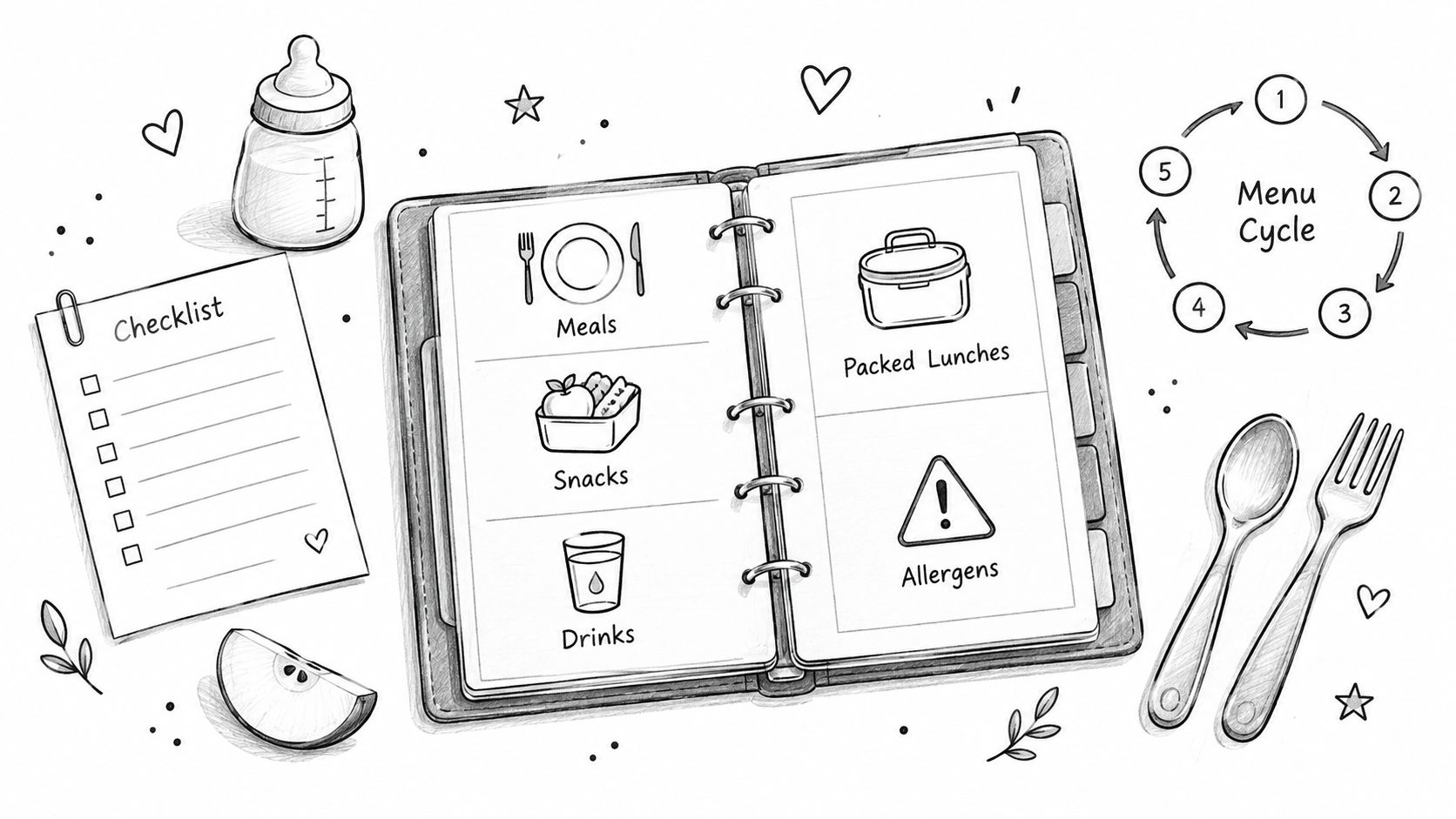
7. Nutritious Meal and Snack Time Learning Activities
Transforming meals from a simple routine into an intentional learning experience is a fantastic way to embed valuable skills into a child's day. This approach, popularised by food education champions like Jamie Oliver and foundational to Montessori practical life skills, uses meal and snack times to explore nutrition, develop life skills, and celebrate cultural diversity through food. It is one of the most effective nursery activity ideas for building a healthy and positive relationship with food from an early age.
This involves more than just eating; it's about participation. Children can be involved in simple, age-appropriate cooking projects like mashing bananas, stirring ingredients for a smoothie, or spreading hummus on crackers. These activities are not only fun but also connect children directly with the food they eat, making them more likely to try new flavours and textures.
Why It's a Top Nursery Activity Idea
This method turns a daily necessity into a rich, multi-sensory learning opportunity. It provides a natural context for developing fine motor skills, mathematical concepts, and social abilities, all while promoting good health.
-
Develops Practical Life Skills: Activities such as setting the table, pouring water, and clearing away their own plates build independence and responsibility.
-
Encourages Healthy Eating Habits: Involving children in food preparation and talking about where food comes from (e.g., a nursery herb garden) fosters curiosity and a willingness to try nutritious options.
-
Promotes Social and Language Development: Mealtimes are natural social gatherings where children can practise turn-taking, conversation, and listening skills with peers and adults.
-
Celebrates Diversity: Introducing foods from different cultures helps children appreciate the diverse backgrounds within their community and the wider world.
By integrating learning into mealtimes, early years settings can help children, even those who are selective eaters, develop a more adventurous palate and a lifelong appreciation for healthy food. For families navigating this stage, we offer more guidance on this topic. You can get more information in our guide to food and nutrition for fussy eaters.
8. Exploratory Play with Loose Parts and Natural Materials
This approach centres on providing children with a collection of open-ended, movable materials that have no fixed purpose. Drawing inspiration from philosophies like Reggio Emilia's 'environment as a third teacher', loose parts play encourages children to use their imagination to design, build, and create. Materials can be anything from sticks, stones, and leaves to recycled cardboard tubes and fabric scraps.
Unlike single-purpose toys, loose parts can be combined, redesigned, and repurposed in countless ways. A stick could be a magic wand one moment and a structural beam for a den the next. This freedom supports divergent thinking and complex problem-solving. Nurseries often curate collections of these items, storing them in accessible baskets and crates so children can independently select materials for their projects, whether that involves sorting pebbles by size, creating patterns with leaves, or constructing elaborate structures.
Why It's a Top Nursery Activity Idea
Exploratory play with loose parts is one of the most effective nursery activity ideas for fostering creativity and critical thinking. It empowers children to be the architects of their own play, transforming simple objects into complex creations and narratives.
-
Fosters Creativity: With no instructions, children are free to experiment and express their unique ideas.
-
Develops Problem-Solving Skills: Children figure out how to balance, connect, and arrange materials to bring their vision to life.
-
Supports Early Maths Concepts: Sorting, counting, and pattern-making with objects like stones or shells builds foundational mathematical understanding.
-
Encourages Collaboration: Group projects using loose parts naturally encourage children to communicate, share ideas, and work together towards a common goal.
When visiting an early years setting, you might ask how they incorporate loose parts into both indoor and outdoor play. A well-organised collection of natural and recycled materials is a great sign that a nursery values child-led creativity and resourcefulness.
9. Small World and Role-Play Areas
Small world play involves creating dedicated, themed miniature spaces where children can use figurines, props, and their imaginations to act out stories and scenarios. Drawing inspiration from educational pioneers like Froebel and Montessori, this approach uses symbolic play to help children understand the world, process experiences, and develop complex narratives. It stands out as one of the most effective nursery activity ideas for fostering creativity and social understanding.
These imaginative zones can range from a simple farm scene with animals to a detailed doll's house or a bustling garage with toy cars. By providing a collection of open-ended materials, nurseries empower children to build their own worlds, test ideas, and explore roles in a safe and controlled environment. Practitioners can observe these play sessions to gain insight into a child’s understanding, interests, and emotional development, adapting the themes to reflect recent experiences or learning topics.
Why It's a Top Nursery Activity Idea
This activity is powerful because it allows children to be the directors of their own learning. They create, control, and make sense of worlds in miniature, which develops crucial cognitive and emotional skills that lay the foundation for future learning.
-
Develops Narrative Skills: Children create storylines with a beginning, middle, and end, which supports language development and early literacy.
-
Encourages Social Understanding: By acting out scenarios like a trip to the shops or a visit to the doctor, children practise empathy, cooperation, and problem-solving.
-
Builds Fine Motor Skills: Manipulating small figurines, vehicles, and props strengthens the small muscles in the hands and fingers, preparing children for writing.
-
Supports Emotional Regulation: Role-play provides a safe outlet for children to explore complex feelings and situations, helping them process their experiences.
When visiting a nursery, ask how they use small world play and how they link themes to the children's interests. For families looking for supportive early years education, it's helpful to see how play-based learning can benefit your child. To learn more, you can discover our approach to early years education.
10. Observation, Documentation, and Personalised Learning Pathways
Rather than being a single activity, this is a foundational approach that makes all other nursery activities meaningful. Rooted in the Early Years Foundation Stage (EYFS) framework and philosophies like Reggio Emilia, it involves systematically observing children to understand their interests, developmental stage, and unique learning styles. This information is then used to create personalised learning pathways and responsive teaching moments.
This method moves away from a one-size-fits-all curriculum. Instead, practitioners document a child’s progress through photos, short observational notes, and portfolios of their work. For example, noticing a child's fascination with pouring water might lead to setting up a water-play station with different-sized containers, funnels, and floating objects. These observations are not just records; they are the starting point for planning that genuinely reflects and extends a child's curiosity.
Why It's a Top Nursery Activity Idea
This approach ensures that every child is seen, understood, and supported as an individual. It transforms the nursery environment into a responsive space where learning is driven by a child's own interests, which is a powerful motivator for engagement and development.
-
Creates Personalised Learning: Activities are tailored to individual interests and needs, making learning more relevant and effective.
-
Supports EYFS Goals: It directly aligns with the UK's EYFS requirement for ongoing assessment and planning based on children's progress.
-
Strengthens Parent Partnership: Sharing observations through learning journey books or digital apps keeps parents informed and involved in their child's development.
-
Identifies Learning Schemas: Careful observation helps practitioners identify recurring patterns of behaviour or "schemas" (like enclosing, connecting, or transporting), allowing them to provide resources that support this deep-level learning.
Effective observation is the key to unlocking a child’s potential. When choosing a nursery, ask how they document learning and use these insights to plan activities. This practice shows a deep commitment to child-centred education. If you're exploring options in Northwood, understanding a nursery's approach to observation is crucial.
10-Point Comparison of Nursery Activity Ideas
| Activity | Implementation complexity | Resource requirements | Expected outcomes | Ideal use cases | Key advantages |
|---|---|---|---|---|---|
| Outdoor Exploration and Nature-Based Learning | Moderate–high (site access, staff training, risk management) | Natural outdoor space, waterproof gear, trained leaders | Resilience, gross motor skills, independence, nature connection | Regular outdoor sessions for 2–5 year olds, all‑weather programmes | Holistic development, real-world risk assessment, deep engagement |
| Sensory Play and Exploration Activities | Low–moderate (material setup, supervision) | Sensory trays, safe/non‑toxic materials, easy‑clean surfaces | Neural development, self‑regulation, vocabulary growth | Baby room (3–24 months), small group exploration, calming activities | Inclusive, low cost, strong early brain and language support |
| Messy Play and Creative Expression | Low–moderate (cleanup systems, supervision) | Washable paints, dough, aprons, outdoor/ventilated area | Fine motor skills, creativity, emotional regulation, experimentation | Art sessions, outdoor creative exploration for toddlers and preschoolers | Process‑focused creativity, therapeutic, adaptable |
| Music, Rhythm, and Movement Activities | Low–moderate (planning, some staff skills) | Child‑safe instruments, music library, speaker, space for movement | Language development, coordination, social bonding | Group times, transitions, daily movement breaks for all ages | Boosts communication, highly inclusive, portable activities |
| Storytelling and Narrative Play | Low (curation and engaging delivery) | Diverse books, puppets/props, cosy reading area | Vocabulary, comprehension, empathy, imagination | Read‑alouds, role-play corners, mixed‑age language sessions | Low cost, strong literacy foundation, emotional literacy |
| Gross Motor and Physical Development Activities | Moderate (space, equipment, risk assessment) | Climbing/balance equipment, soft surfacing, maintenance | Strength, balance, confidence, better sleep and health | Daily active sessions, outdoor play for toddlers and preschoolers | Promotes physical health, risk‑enabled learning, energy outlet |
| Nutritious Meal and Snack Time Learning Activities | Moderate (hygiene, allergen management) | Kitchen facilities, fresh ingredients, hygiene protocols | Healthy eating habits, independence, food vocabulary | Mealtimes, simple cooking projects, cultural food activities | Real‑life learning, builds self‑care skills, social routines |
| Exploratory Play with Loose Parts and Natural Materials | Low–moderate (collection, safety checks) | Natural/recycled loose parts, accessible storage, supervision | Creativity, problem‑solving, risk assessment, sustainability values | Outdoor learning, open‑ended indoor/outdoor play | Low cost, limitless creativity, highly inclusive |
| Small World and Role‑Play Areas | Low (setup, rotation and cleaning) | Themed props, figurines, storage, regular cleaning | Symbolic thinking, narrative skills, social understanding | Quiet play corners, storytelling follow‑ups, mixed‑age groups | Fosters imagination, safe social exploration, language practice |
| Observation, Documentation, and Personalised Learning Pathways | Moderate–high (time, staff training, systems) | Staff time, observation tools/apps, secure documentation storage | Tailored learning plans, evidenced progress, early support identification | Individual planning, EYFS compliance, parent partnership | Enables targeted teaching, measurable outcomes, strong family engagement |
Bringing It All Together: Finding the Right Play-Based Setting
As we’ve journeyed through this extensive collection of nursery activity ideas, it becomes clear that early years education is not about simply filling a child’s day. It’s about thoughtfully creating moments of discovery, connection, and growth. From the tactile joy of sensory play to the collaborative problem-solving that happens during outdoor exploration, each activity serves a profound purpose. The goal is to build a rich, stimulating environment where children feel secure enough to explore, question, and express themselves.
The true strength of these activities lies not in their complexity but in their adaptability and their alignment with a child’s natural curiosity. A simple activity involving loose parts can become a lesson in physics, engineering, or storytelling, depending entirely on the child’s imagination. Similarly, a group music session does more than teach rhythm; it fosters social bonds, builds listening skills, and provides an outlet for emotional expression. This child-led approach is the cornerstone of effective early learning, ensuring that development is a joyful and organic process, not a rigid set of instructions.
Key Takeaways for Parents
When considering how these ideas translate into a nursery setting, it’s helpful to focus on the underlying philosophy. A great nursery doesn’t just have a list of activities; it has a deep understanding of why those activities matter for development.
Here are the most important principles to remember:
-
Play is Learning: The most impactful learning in the early years happens through play. Activities should be designed to be engaging and fun, allowing children to develop cognitive, social, and physical skills without pressure.
-
The Environment is the Third Teacher: A well-organised space, both indoors and outdoors, invites exploration and learning. Look for settings that offer a variety of textures, open-ended materials, and opportunities for both quiet reflection and active play.
-
Personalisation Matters: Every child develops at their own pace. Effective early years practice involves observing each child’s unique interests and needs, then tailoring activities to support their individual learning journey.
-
Process Over Product: In creative and exploratory activities, the focus should always be on the experience itself, not the final result. The learning happens in the mixing, the building, the experimenting, and the collaborating.
A supportive nursery environment recognises that a messy t-shirt from a painting session or muddy wellies from an outdoor adventure are not signs of chaos. They are the hallmarks of a day filled with meaningful, hands-on learning and joyful discovery.
Actionable Next Steps for Your Family
As a parent, you are your child’s first and most important educator. You can bring these principles into your home by creating simple, open-ended play opportunities. More importantly, when you begin exploring childcare options, you can use this knowledge to ask insightful questions.
When you visit a potential nursery, consider asking:
-
“How do you balance structured activities with child-led play?”
-
“Can you give me an example of how you adapt an activity for different ages or developmental stages?”
-
“How do you use your outdoor space to support learning every day, not just on sunny days?”
-
“How do you document and share a child’s progress and discoveries with parents?”
The answers to these questions will reveal a lot about a nursery’s commitment to a play-based, child-centred philosophy. Finding a setting that aligns with these values can make a significant difference in your child’s early development, fostering confidence, curiosity, and a genuine love for learning that will last a lifetime. For parents in Northwood, seeing these nursery activity ideas in action at a local setting can provide invaluable reassurance.