
The Early Years Foundation Stage (EYFS) is the statutory framework that all nurseries, pre-schools, and childminders in England must follow. It applies to children from birth to age five and sets the standards for how they are cared for, supported, and educated.
Put simply, it is a shared framework designed to give every child a safe, nurturing, and stimulating start in life.
If your child attends an early years setting, the EYFS is shaping their daily experience. It ensures consistency across providers while still allowing flexibility to meet each child’s individual needs.
A National Standard for Early Years Care
Before the EYFS was introduced in 2008, early years guidance varied widely. The framework brought in a single, unified standard for all children in England, helping to raise the quality and consistency of care and education.
Over time, it has been updated to reflect modern research and best practice. Recent updates have placed stronger emphasis on:
safeguarding and child safety
clear accountability for staff
meaningful, real-world learning experiences
stronger partnerships with parents
Today, the EYFS is less about paperwork and more about what children actually experience day to day.
What the EYFS Means for Your Child
At its heart, the EYFS is about supporting children as individuals while helping them build the foundations for future learning.
Rather than focusing on formal lessons, it prioritises:
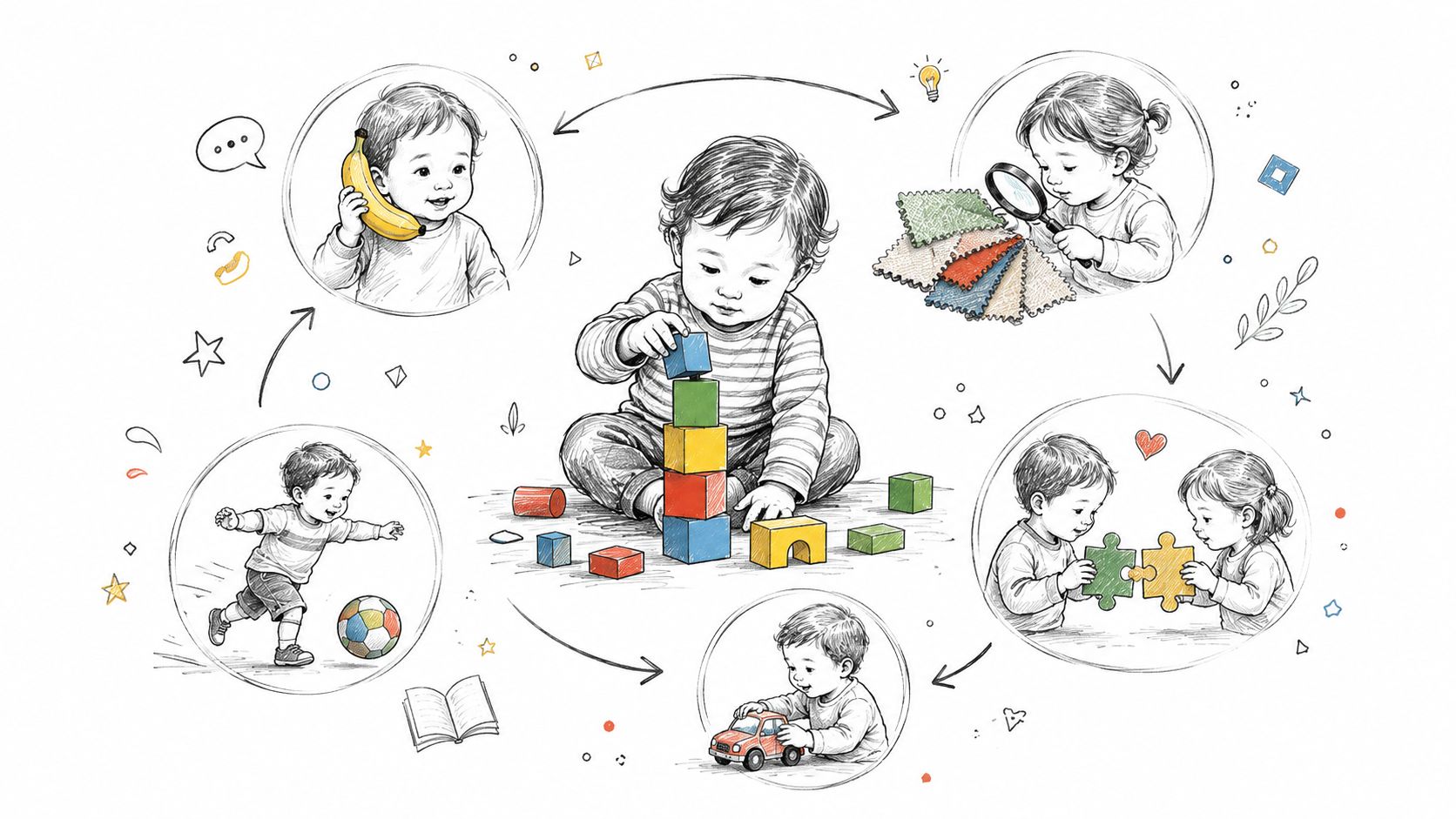
learning through play and exploration
building confidence and independence
developing communication and social skills
supporting emotional wellbeing
Children are encouraged to learn at their own pace in a supportive environment where curiosity is nurtured.

How the EYFS Works in Practice
The EYFS is not about sitting at desks or completing worksheets. It is built around hands-on experiences that feel natural and engaging for young children.
Learning Through Play: Activities are designed to be fun and meaningful, helping children develop essential skills through exploration, creativity, and interaction.
A Safe and Supportive Environment: Safeguarding is a core part of the framework. Providers must follow strict procedures to ensure children are protected, healthy, and well cared for at all times.
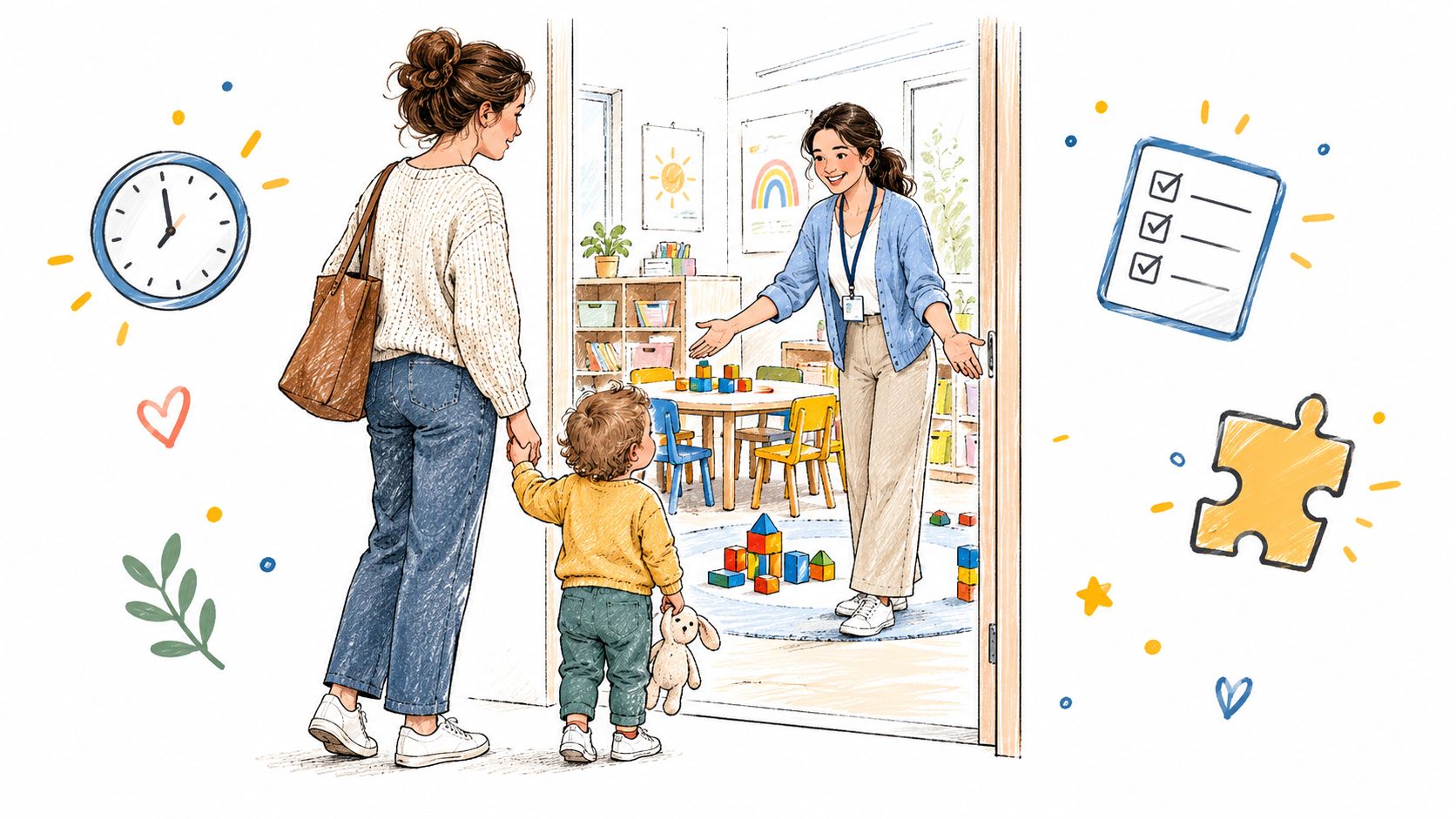
Strong Partnerships with Parents: Parents play a key role in their child’s development. Nurseries are expected to communicate regularly, sharing progress and working together to support each child.
The Four Principles of the EYFS
The EYFS is built around four guiding principles that shape everything a high-quality setting does.
A Unique Child: Every child is recognised as an individual with their own interests, personality, and pace of development.
Positive Relationships: Children learn best when they feel safe and supported. Strong relationships with adults and peers build confidence and security.
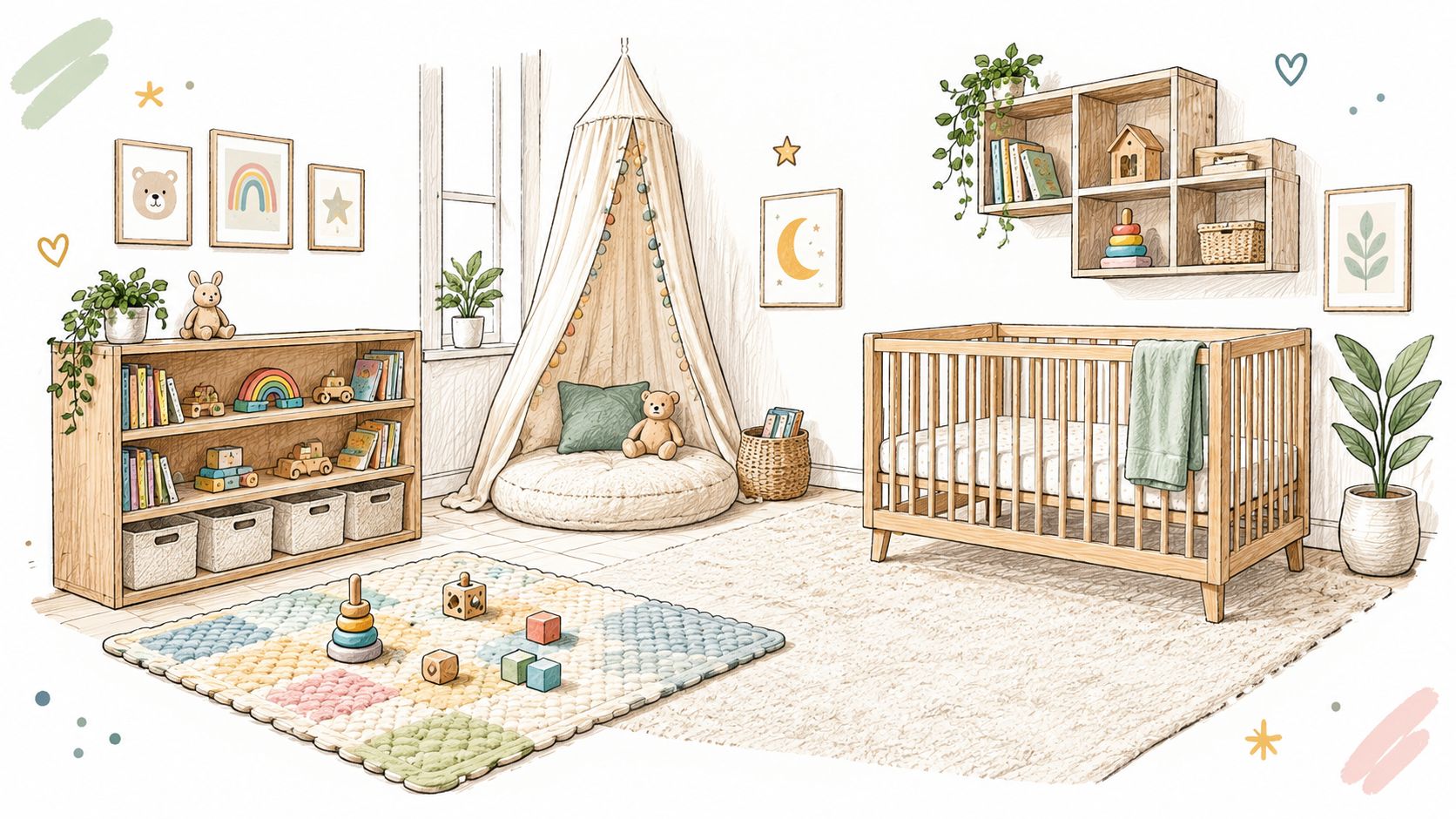
Enabling Environments: Well-planned spaces encourage exploration, independence, and curiosity, both indoors and outdoors.
Learning and Development: Children develop in different ways and at different rates. The EYFS supports a flexible, personalised approach to learning.
The Seven Areas of Learning
The EYFS framework is structured around seven areas of learning. These are not taught as separate subjects, but are woven into everyday activities.
Prime Areas (The Foundations)
Communication and Language – developing listening, understanding, and speaking skills
Physical Development – building movement, coordination, and healthy habits
Personal, Social and Emotional Development – forming relationships, managing feelings, and building confidence
Specific Areas (Building on the Foundations)
Literacy – early reading and writing skills
Mathematics – numbers, shapes, and problem-solving
Understanding the World – exploring people, places, and the environment
Expressive Arts and Design – creativity through art, music, and imagination
How Learning Comes Together in Real Life
In a high-quality setting, these areas are never taught in isolation.
A simple activity like playing outdoors might involve:
Physical Development through climbing and movement
Communication through conversations with others
Understanding the World through exploring nature
This integrated approach helps children develop a wide range of skills naturally, without pressure.
How Your Child’s Progress Is Tracked
Assessment in the EYFS is very different from school testing. It is an ongoing, informal process based on observation.
Practitioners watch how children play, interact, and learn, using this to understand:
what they enjoy
what they can do
how to support their next steps
This approach focuses on celebrating progress rather than measuring performance.
The Two Key EYFS Checkpoints
Although most assessment is informal, there are two important milestones where progress is formally reviewed.
Progress Check at Age 2
This provides a short summary of your child’s development in the three prime areas. It helps identify strengths and any areas where extra support may be needed.
EYFS Profile (End of Reception)
Completed at the end of the Reception year, this gives an overview of your child’s development across all seven areas of learning.
| Assessment Stage | When It Happens | What It Covers | Purpose |
|---|---|---|---|
| Ongoing Observation | Daily | All areas of development | Understand progress and guide learning |
| Progress Check (Age 2) | Age 2–3 | Prime areas | Early identification and support |
| EYFS Profile | End of Reception | All seven areas | School readiness and transition |
A More Child-Centred Approach
Recent updates to the EYFS have shifted the focus towards:
real-life experiences over paperwork
meaningful adult-child interactions
safeguarding and wellbeing
supporting each child’s individual journey
There is less emphasis on labels and comparisons, and more on understanding each child as an individual.
Why the EYFS Matters for Your Child’s Future
The EYFS is not just about preparing children for school. It lays the foundations for life.
Through play and guided experiences, children develop:
confidence and independence
problem-solving skills
resilience and adaptability
a love of learning
These skills support them far beyond their early years.
Your EYFS Questions Answered
How Is the EYFS Different from a School Curriculum?
The EYFS is a flexible framework rather than a structured curriculum. Learning happens through play and exploration, not formal lessons.
Is My Child Being Tested?
No. Assessment is based on observation, not exams or grades. It focuses on understanding and supporting each child’s development.
What Should I Ask a Nursery?
When visiting a nursery, consider asking:
How do you share my child’s progress with me?
How do you support the different areas of learning?
How do you tailor activities to my child’s interests?
Final Thoughts
The EYFS framework ensures that every child receives a consistent, high-quality start in life.
It balances structure with flexibility, allowing children to learn in a way that feels natural, enjoyable, and suited to them as individuals.
At its core, the EYFS is about more than education. It is about helping children feel safe, confident, and ready to take their next steps with curiosity and resilience.