

Discover the incredible Forest School benefits for your child. Learn how outdoor learning builds confidence, social skills, and a lifelong love of curiosity.

Signs a Child is Ready for Nursery: Practical Steps to Prepare
Explore signs a child is ready for nursery, from emotional to social milestones, and learn practical tips to prepare them today.
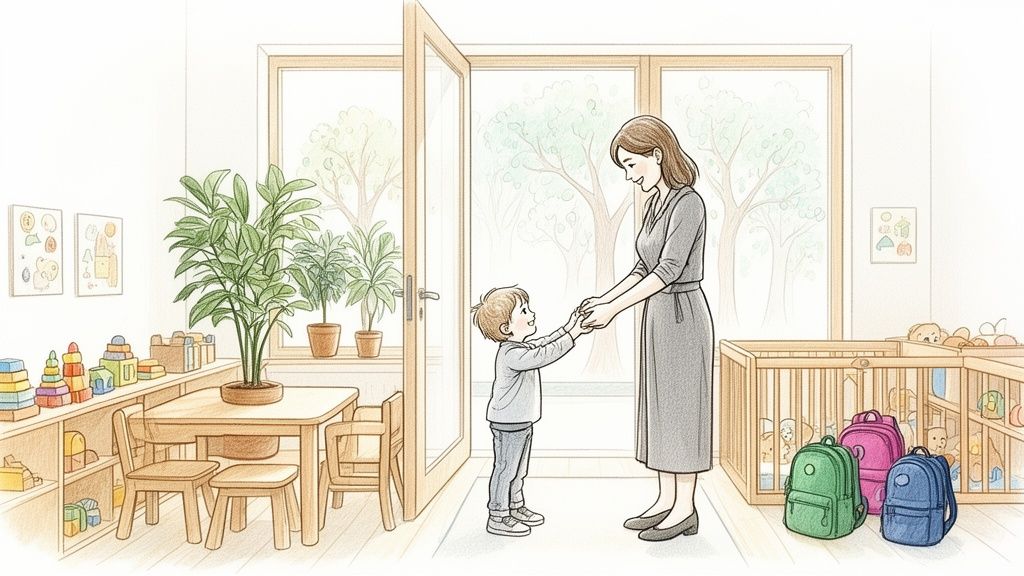
How to Settle a Child into Nursery: A Parent’s Guide
Discover how to settle a child into nursery with our parent’s guide. Get practical tips for a smooth, confident, and happy start for your little one.

7 Incredible Benefits of Outdoor Learning in Early Years for 2026
Explore the crucial benefits of outdoor learning in early years. Discover how nature boosts physical, cognitive, and emotional growth in UK children.

10 Fun & Developmental Nursery Activity Ideas for 2026
Discover 10 engaging nursery activity ideas for babies, toddlers, and preschoolers. Our guide offers creative, developmental, and fun activities for your child.

What Is the EYFS Framework? A Simple Guide for Parents
Discover what is the EYFS framework and how it supports your child’s early development. Our guide explains the principles, learning areas, and what to expect.
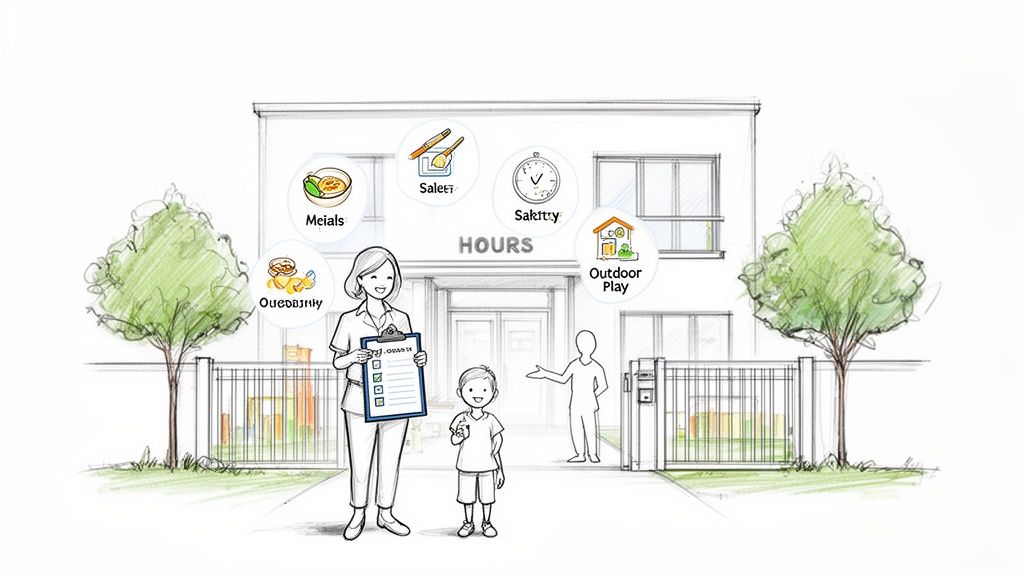
How to Choose a Nursery in Northwood: Your Ultimate UK Parent Guide
Struggling with how to choose a nursery? Our guide covers Ofsted ratings, funding, what to ask on visits, and local tips for UK parents.
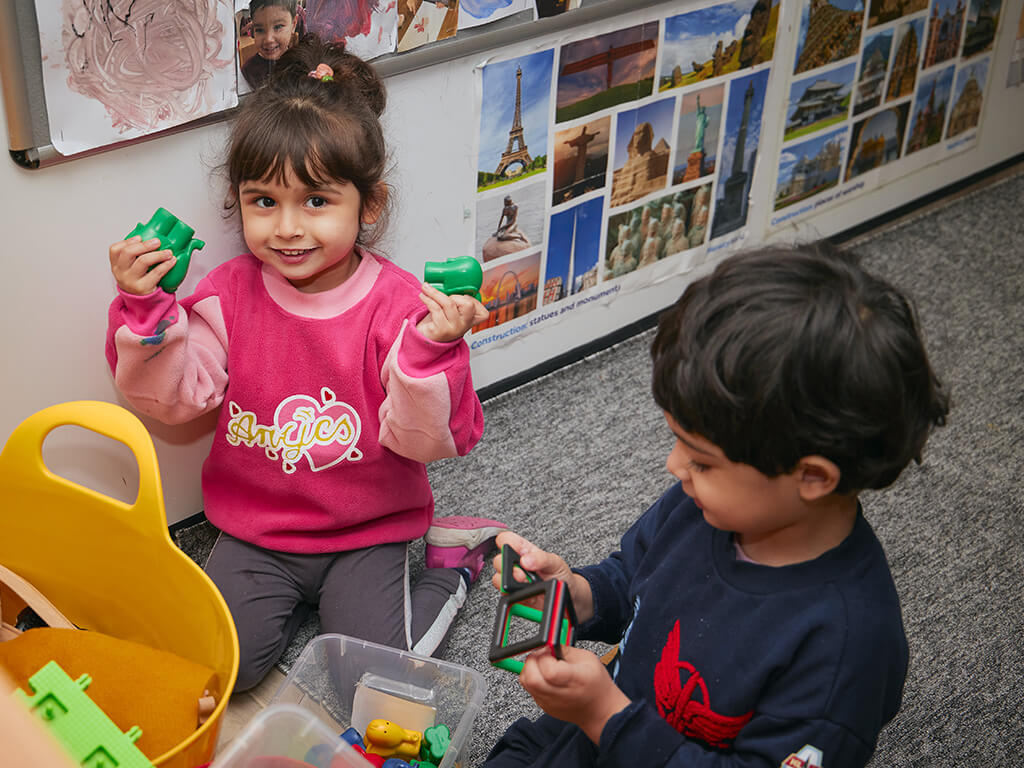
The Power of Play Nurturing Young Minds at the Happy Tree Academy
The Importance of Play in Early Childhood Development: Children learn through play, which is their universal language. Through play, they explore the world, gain the skills they need, and lay the foundation for their future education. In our nurturing environment, we understand that play is not just a break from learning; rather, it is a crucial aspect of the learning process itself. Cognitive Development: Children play and participate in activities that develop their thinking skills. Puzzles, block-building, and imaginative role-playing are just a few of the activities that build children’s creativity, critical thinking, and problem-solving abilities. Social and Emotional Growth: Children can interact with other kids through play, which helps them develop social skills like empathy, cooperation, and communication. Positive emotional development is based on the foundation of learning to share, take turns, and navigate social dynamics. Language Skills: Language skills are significantly improved by imaginative play, storytelling, and having conversations with peers while playing. Through these interactions, kids expand their vocabulary, improve their ability to communicate and grow to love language. Physical Development: Kids develop strength, coordination, and balance through play activities such as crawling through a tunnel, climbing on a play structure, or taking part in dance sessions and movement classes. Creating a Playful Learning Environment: Creating a space where children can naturally learn through play is something we should prioritise, from special play corners for imaginative play to practical activities that encourage sensory exploration. Play-based Curriculum: Our curriculum is centred around play-based learning activities that align with early childhood developmental milestones. We integrate educational objectives into play to ensure a holistic approach to learning. Outdoor Play Spaces: Outdoor play is an integral part of our program, allowing children to connect with nature, engage in physical activities, and develop a sense of environmental awareness. Our outdoor spaces are designed to stimulate exploration and creativity. Conclusion: In our nursery, learning through play is not just a philosophy; it’s a way of life. We recognize the profound impact that play has on the overall development of young minds. By providing a rich, playful environment, we aim to instil a love for learning that will accompany each child on their educational journey. Together, let’s celebrate the joy, wonder, and boundless potential that come with the power of play.

A Guide on How to Talk to Children About Difficult Topics
Establish a Safe and Open Environment: When discussing challenging subjects with kids, it’s important to provide a safe and open setting. Encourage children to communicate their ideas and emotions without worrying about criticism. Reassure them that their feelings are real and let them know you are available to listen. Select the Proper Time and Environment: The power of challenging talks is greatly influenced by the timing and environment. Choose a moment when the child is relaxed and willing to talk. Find a secure, peaceful area where people feel at ease and where there aren’t lots of distractions to allow for good conversation. Use Age-Appropriate Language: Adjust your wording to the age and understanding level of the youngster. Stay clear of using overwhelming details or complicated terms that could scare or confuse them. Provide them with information in a clear, honest way that they can understand. Begin with Open-Ended Questions: Start the discussion by asking open-ended questions to entice kids to express their opinions. By using this method, you may determine how well they understand the topic and help clarify any misconceptions they might have. Be Honest and Transparent: Honesty is valued by kids and builds trust. Being honest is just as important as using language that is appropriate for the child’s age. Be open and honest about the challenging subject, giving accurate information in an age-appropriate manner. Validate Their Feelings: Tell your child that it’s normal for them to experience a range of emotions and that their responses are normal. Reassure them and offer support, highlighting that they can come to you with any worries. Use Analogies: Use analogies to help kids understand concepts on difficult or complex topics. This can help people understand the topic better by making it more relatable and clear. Monitor Your Own Emotions: Children are aware of adult’s emotional signals. When you talk about tough subjects, keep an eye on your own feelings and responses. Keep your cool and reassure the youngster that even though the topic is complicated, you are there to help and mentor them. Provide Age-Appropriate Resources: Provide age-appropriate resources, such as books, movies, or educational materials, depending on the degree of difficulty of the topic. These materials support the discussion by giving more background information and allowing kids to take in the information at their own pace. Follow-Up and Check-In: After the first talk, check in with the youngster to see how they’re feeling and how much they understood the subject. Assure them that you welcome further discussion and that they are welcome to come to you with any questions or concerns at a later time. Conclusion: Talking to children about difficult topics is an essential aspect of their emotional and intellectual development. By creating a safe space, using age-appropriate language, and maintaining open communication, we can help children navigate challenging conversations with resilience and understanding. Remember, fostering a supportive environment and being present for children during these discussions lays the foundation for their ability to process difficult topics throughout their lives.

Potty Training 101: A Guide for Parents and Toddlers
Is Your Child Ready? Before you dive into the world of potty training, you should determine whether your child is ready for this turning point. Look for signs of readiness, such as a desire to use the restroom, discomfort in a soiled diaper, or longer periods of dryness. Because each child is unique, be patient and watchful. Invest in the Right Gear: Invest in the right equipment to make the adjustment to the potty as easy as possible. Consider purchasing a child-friendly potty chair or a regular toilet seat reducer. To make the experience more exciting, let your child choose their training pants or pants with fun patterns or favourite characters. Establish a Routine: When it comes to potty training, consistency is everything. Establish a regular schedule for bathroom breaks, such as after meals and before going to bed. Encourage your child to use the loo even if they do not need it. For example, a small reward or praise can go a long way towards creating an enjoyable experience with using the potty. Communication is Crucial: Having an open line of communication is essential with potty training. Encourage your child to communicate when they need to go by teaching them the phrases for common bodily functions. To strengthen the link between the event and the words, use an appropriate term or signal, such as “potty time.” Celebrate Small Victories: Potty training is a process rather than a race. Appreciate each little accomplishment, whether using the loo successfully, improving communication, or remaining dry all night. A sticker chart or a small treat are examples of positive encouragement that may motivate and build your child’s confidence. Be Patient and Understanding: Setbacks and accidents are inevitable. Stay patient and understanding and try not to let mishaps get you down. Comfort your child, tidy up with them, and tell them it’s okay. Both parents and children can benefit from the experience of potty training. Transitioning to Independence: Support your child’s independence gradually as they grow more accustomed to using the toilet. Educate them on how to wipe, flush, and wash their hands. Conclusion: A crucial turning point in your toddler’s journey towards independence is potty training. You can create a supportive environment, determination, and positive reinforcement to help you make your journey successful. Because each child is different, adjust this advice to meet your child’s needs, and acknowledge every win throughout this thrilling journey!